
Okay, so check this out—NFTs on Solana move fast. Really fast. Wow!
My first impression when I started noodling with Solana NFTs was: “This is way cheaper than Ethereum, and the UX actually feels like it could work for real people.” Hmm… that initial excitement quickly ran into the usual wallet questions though: how do I store stuff safely, how do I connect to a marketplace, and which extension won’t make me want to pull my hair out? Something felt off about the early user flows; some wallets were clunky, others too bare-bones. Initially I thought browser-based wallets were all about convenience, but then realized that convenience without solid security is just trouble waiting to happen.
Seriously? Yes. You can have a slick browser extension that still makes security mistakes if you’re not careful. On one hand, extensions are convenient for everyday NFT browsing and quick trades. On the other hand, they live in your browser and that environment can be noisy (ads, phishing sites, shady dapps…). So the trade-off is real—though actually, there are good mitigation patterns you can learn that keep you safe and sane.
I’ll be honest: I’m biased toward wallets that prioritize clear UX and strong recovery flows. But I also value features like multiple accounts, custom tokens, and hardware wallet support. This part bugs me when it’s missing—because once you own stuff, you want options, not surprises. Oh, and by the way… keep backups. Always.
How I evaluate a Solana wallet extension
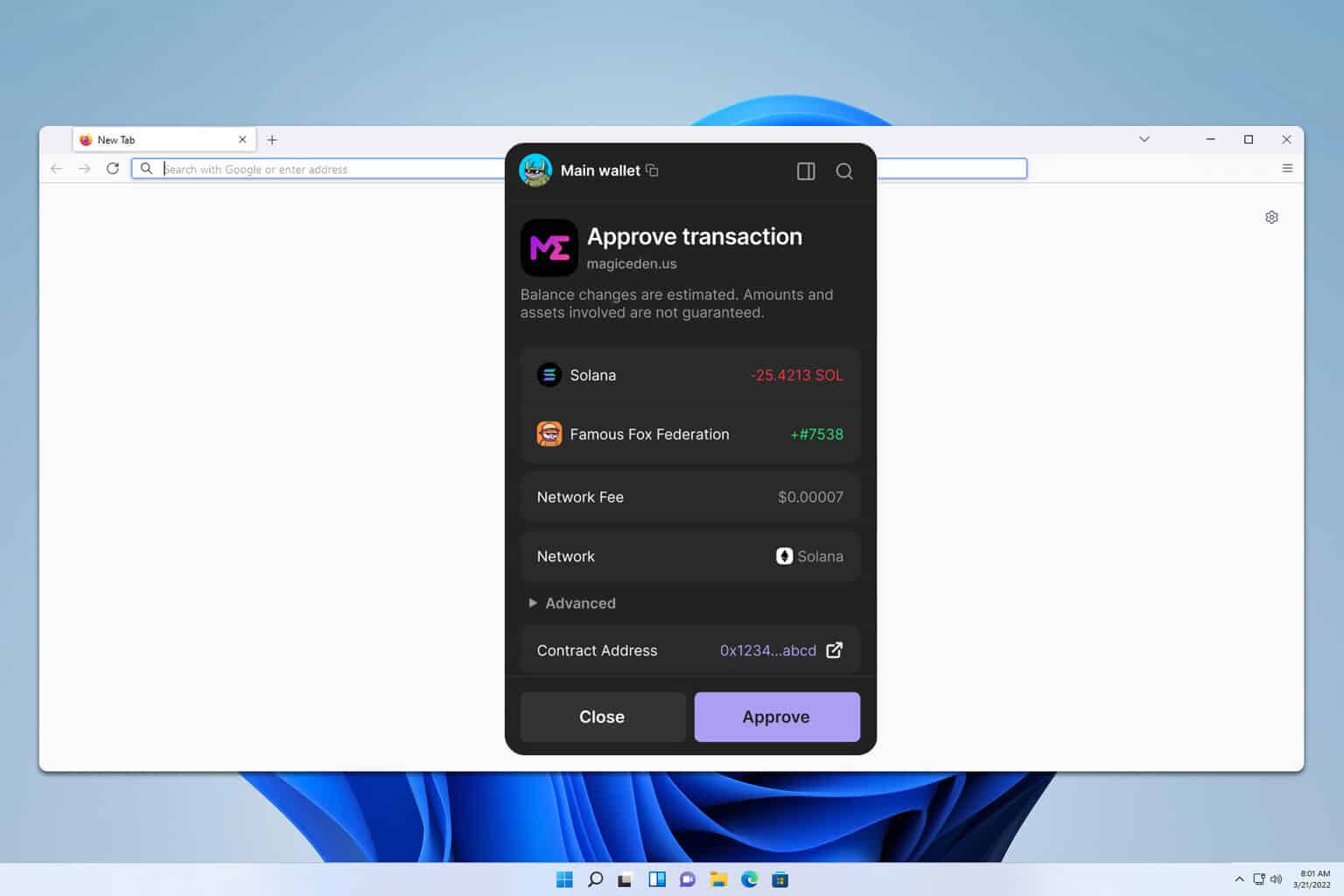
Look, here’s the checklist I use when deciding on a Solana browser wallet: security, UX, dApp compatibility, community trust, and recovery options. The first two seconds of interaction tell you a lot—if the onboarding is confusing, you’ll probably make mistakes. My instinct said: simple seed phrase backup, clear permissions, and a way to disconnect sites easily. Something as small as a bold “Approve” button with no context will make me suspicious.
For folks who want to try a popular, polished extension with broad dApp support, you can find a reliable download here: https://sites.google.com/cryptowalletextensionus.com/phantomwalletdownloadextension/
Note: I’m not endorsing every shady wrapper out there; check the domain and reviews. My point is just that a straightforward download path—paired with good instructions—saves a lot of headaches. If the extension has 2FA options, hardware wallet pairings, and a clear way to export accounts, that’s a big plus.
Whoa! Little things matter. A wallet that highlights token approvals (what a dApp can do with your funds) vs just “connect” is miles better than one that buries it in a submenu. Tiny design choices reduce user error. They should be standard by now, but they’re not. Very very annoying.
Practical steps: Setting up and using a Solana wallet safely
First, never copy your seed phrase into a cloud note or a screenshot. Seriously. If you can, write it down on paper and store it in two physical places. Initially I used a note app (dumb move) and nearly lost access when my phone autofilled weird stuff. Actually, wait—let me rephrase that: I learned the hard way that phone backups can be useful but risky.
Second, use separate accounts for different purposes. One account for day-to-day trading and small amounts, another cold account for long-term holdings. On one hand it’s a little more effort, though actually it reduces risk if one account is ever compromised.
Third, practice connecting to dApps on a test network or with very small amounts first. Yes, it feels slow to do this, but the time you spend testing saves you from potentially catastrophic mistakes later. My gut said “rush through”, so I slowed down—best move.
Fourth, look into hardware wallet integration. If you’re holding high-value NFTs or SOL, bridging your extension to a hardware device adds a robust layer of protection. Not all extensions support every hardware brand, so verify compatibility before committing.
Common pitfalls with NFT wallets on Solana
Okay, here’s what bugs me about NFT wallet experiences: confusing token approval dialogs, unpredictable fees when swapping, and unclear provenance when minting. Also, some marketplaces prompt repeated approvals for actions that should be one-time. That’s sloppy UX and exposes users to extra risk.
Phishing remains the top threat. Phishing sites mimic marketplaces and will prompt you to connect and sign messages that sound legit but actually grant approvals you didn’t intend. If a site asks you to sign a message with vague language, pause. Ask questions. (Oh, and by the way, don’t use your main account to test unknown dApps.)
Finally, guard your RPC settings. Some extensions let you switch nodes or provide custom RPC endpoints—great for performance, risky if you accept a malicious endpoint that serves manipulated data. Only use trusted providers.
Advanced tips for power users
If you’re managing multiple collections or running bots, use separate browser profiles or distinct extension instances per profile to reduce cross-site contamination. Hmm… sounds nerdy, but it works. Also, consider using a hardware wallet for cold storage and the browser extension for hot operations. This split (cold/hot) reduces the blast radius if something goes wrong.
Another thing: set up notifications for large transfers on exchanges or services you use, and keep an eye on transaction history in your wallet’s activity tab. I once saw a tiny unauthorized token transfer early—caught it fast and locked things down. That early alert saved me from bigger problems.
FAQ
Is a browser extension safe for NFTs?
Yes, with caveats. Extensions are convenient and widely used, but their safety depends on your habits and the wallet’s security features. Use hardware wallets for large holdings, keep seed phrases offline, and confirm dApp permissions carefully.
Can I use the same wallet for multiple Solana apps?
Absolutely. That’s the point of a browser wallet—connect to marketplaces, games, and DeFi dapps. But separate accounts for different risk levels is smart. Also disconnect sites when not in use.
What if I lose my seed phrase?
Then recovery is unlikely. Seed phrases are the only standard recovery mechanism for many wallets. Some wallets offer cloud or social recovery options, but those have trade-offs. Back up your phrase in multiple secure places.